ANIMATION: I took a Motion Capture class and made a cool fight scene!
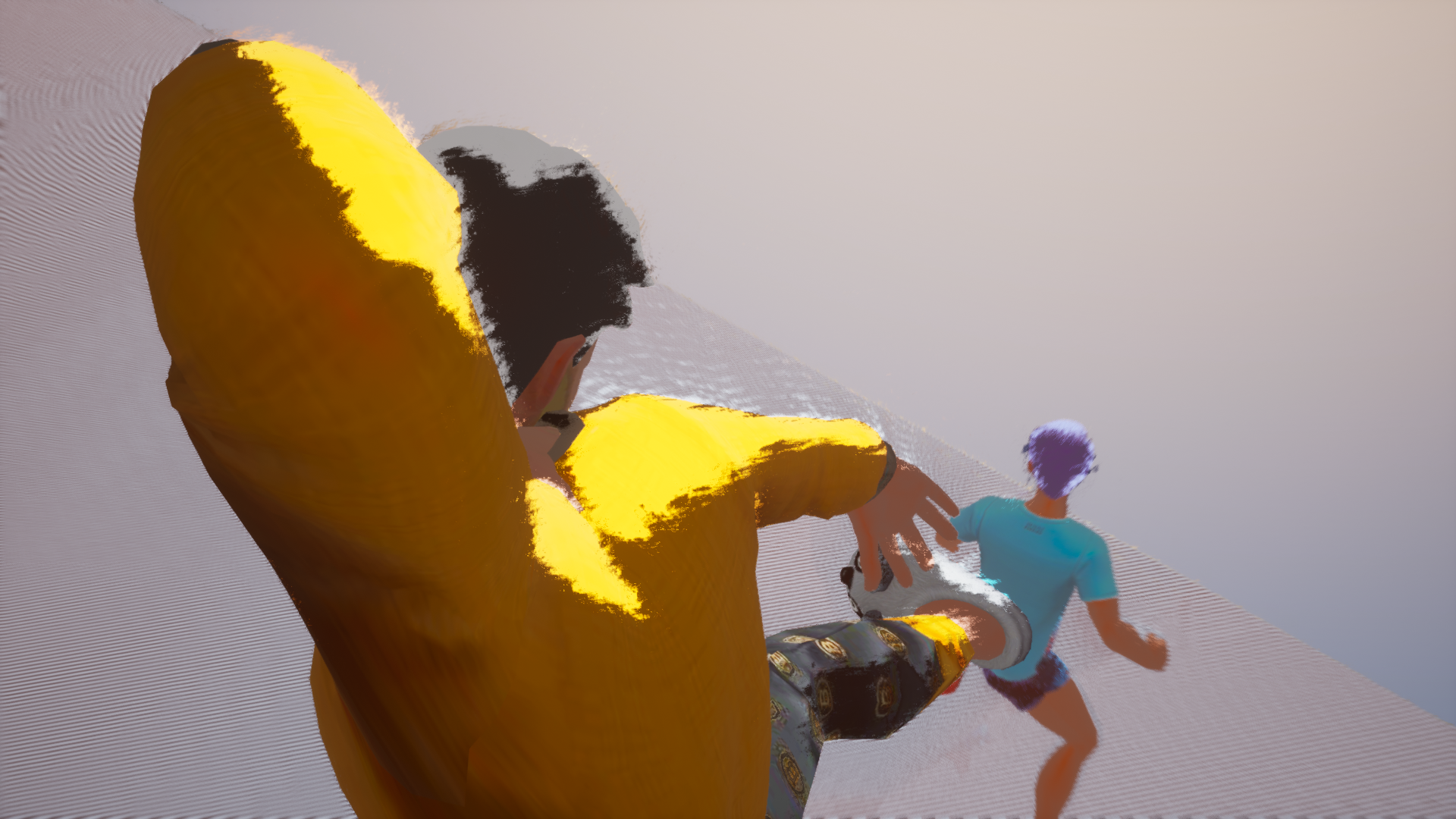
I just finished a semester-long class, Performance in Virtual Space, where we explored the pipeline of making a Motion Capture Performance. We covered how to stage scenes, get actors set up in the equipment, use the software to record the performance in a professional studio, and convert them into Unreal animations. Our group created “Untitled Fight Scene”, a 3D animated short fight scene that follows two characters fighting in a dream-like train setting.
Inspiration
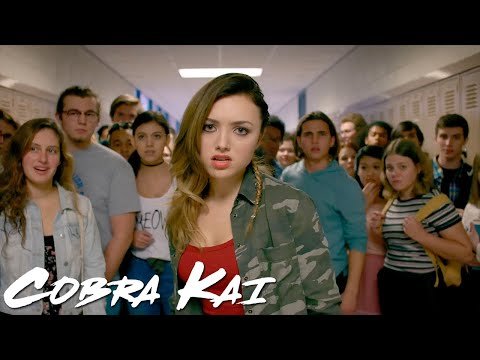
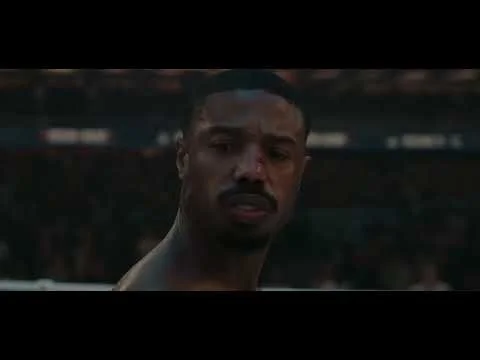
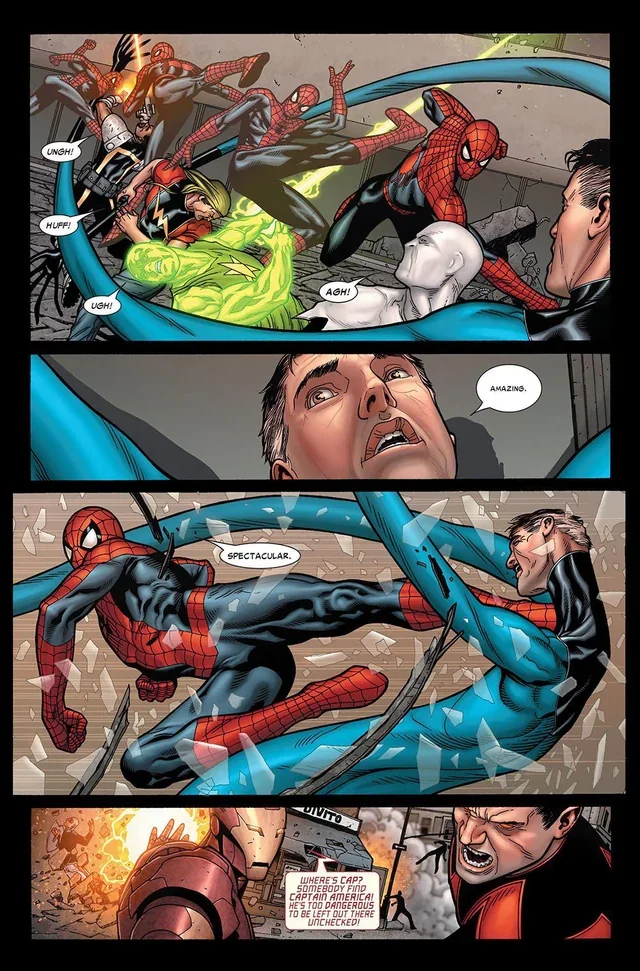
We were inspired to make a fight scene since I am a martial artist and we are all fans of classic fight movies such as Rocky and Karate Kid! We were also inspired by the Spider-Man 2 (2004) train fight scene to make a fight which was set in a location where they constantly moved around the map in surrealist ways. As the choreographer, I started researching classic movies to study how to show impact and studied comic books to stage the characters in ways that emphasized their posing.
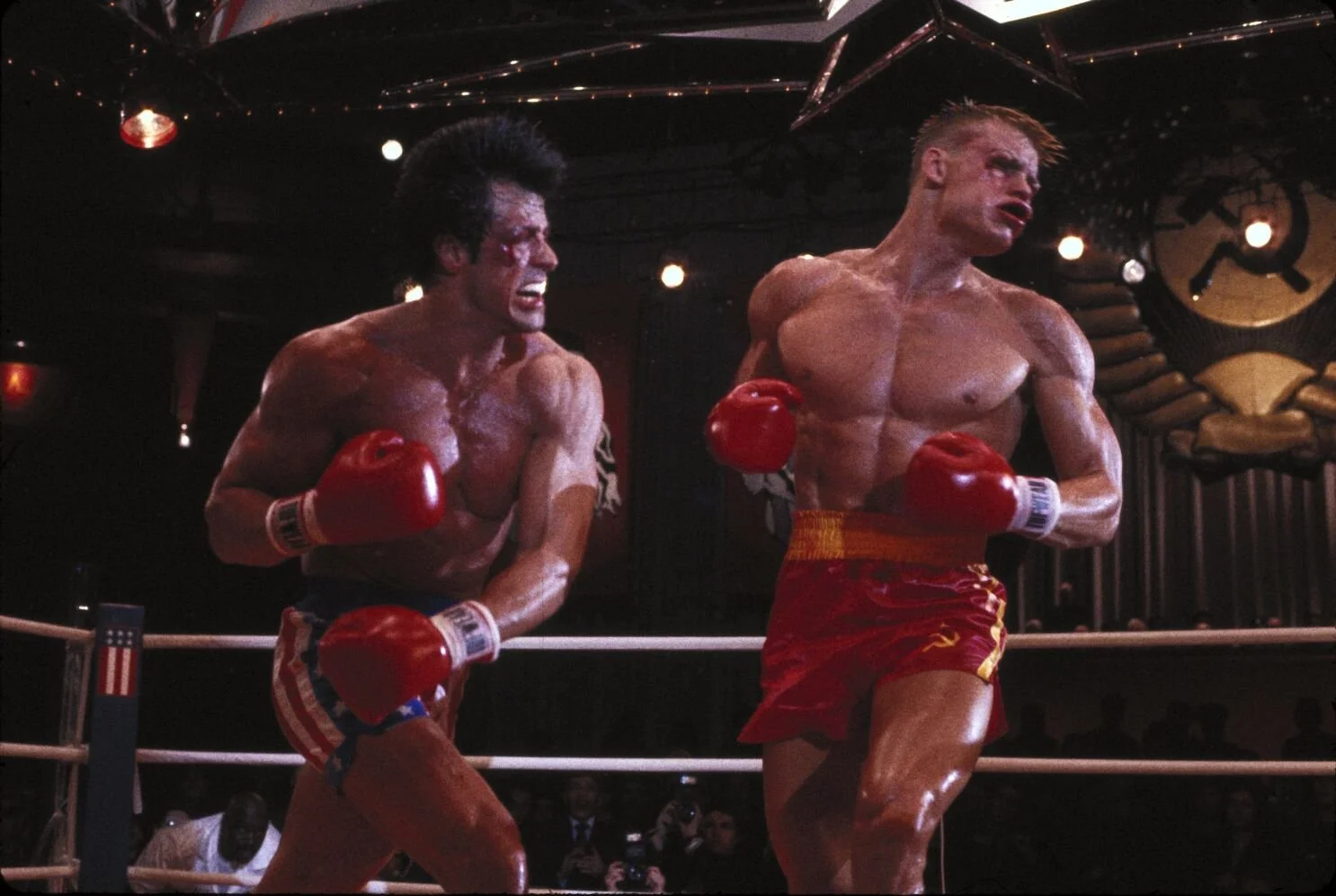
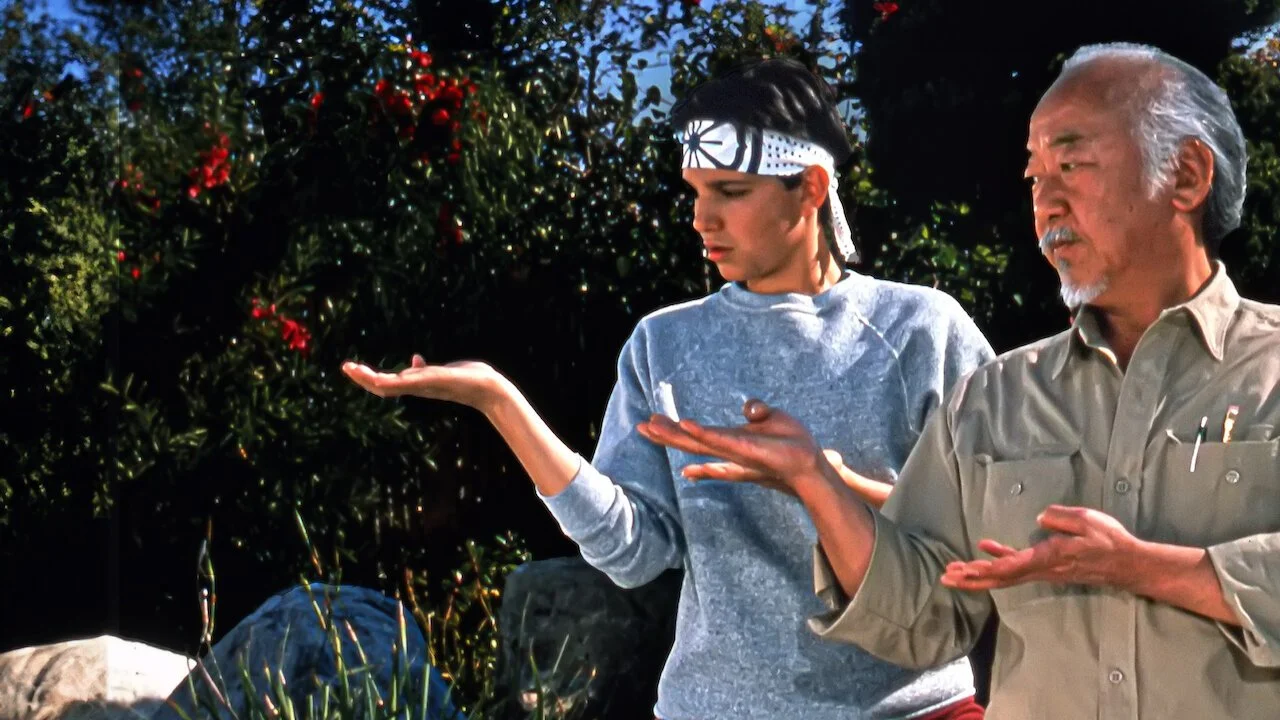
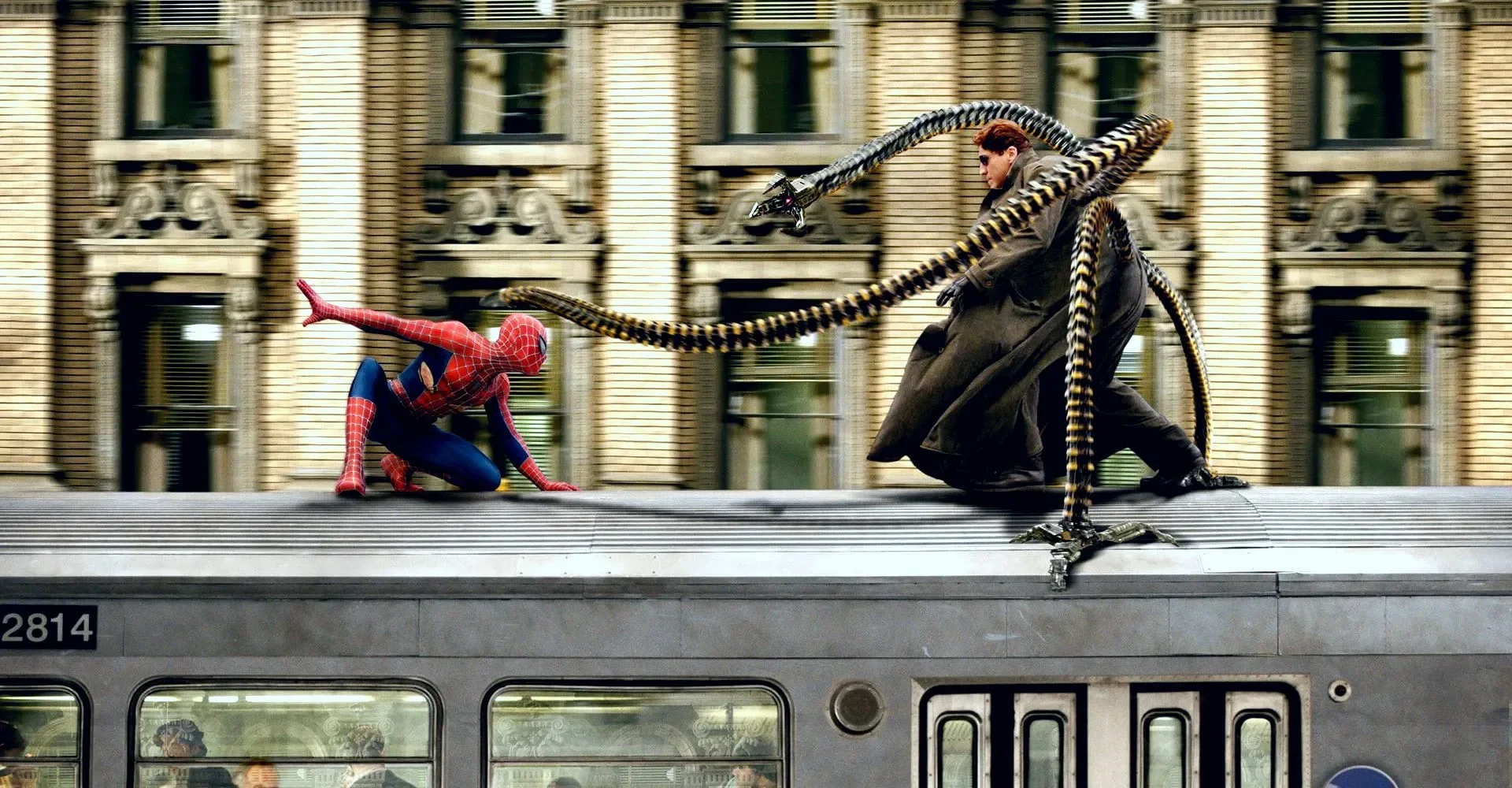
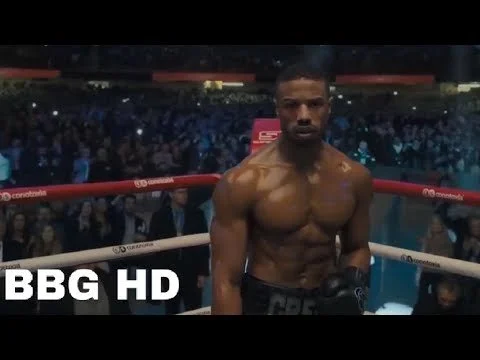
I also studied live fight broadcasting, so that I could place cameras in the scene in the same kind of angles you see in ring matches, rooting the scene in realism through ringside cameras and camera shakes. I started storyboarding the sequence with a rough idea of the camera angles, character placement, and camera behaviors…


Storyboarding and Choreography
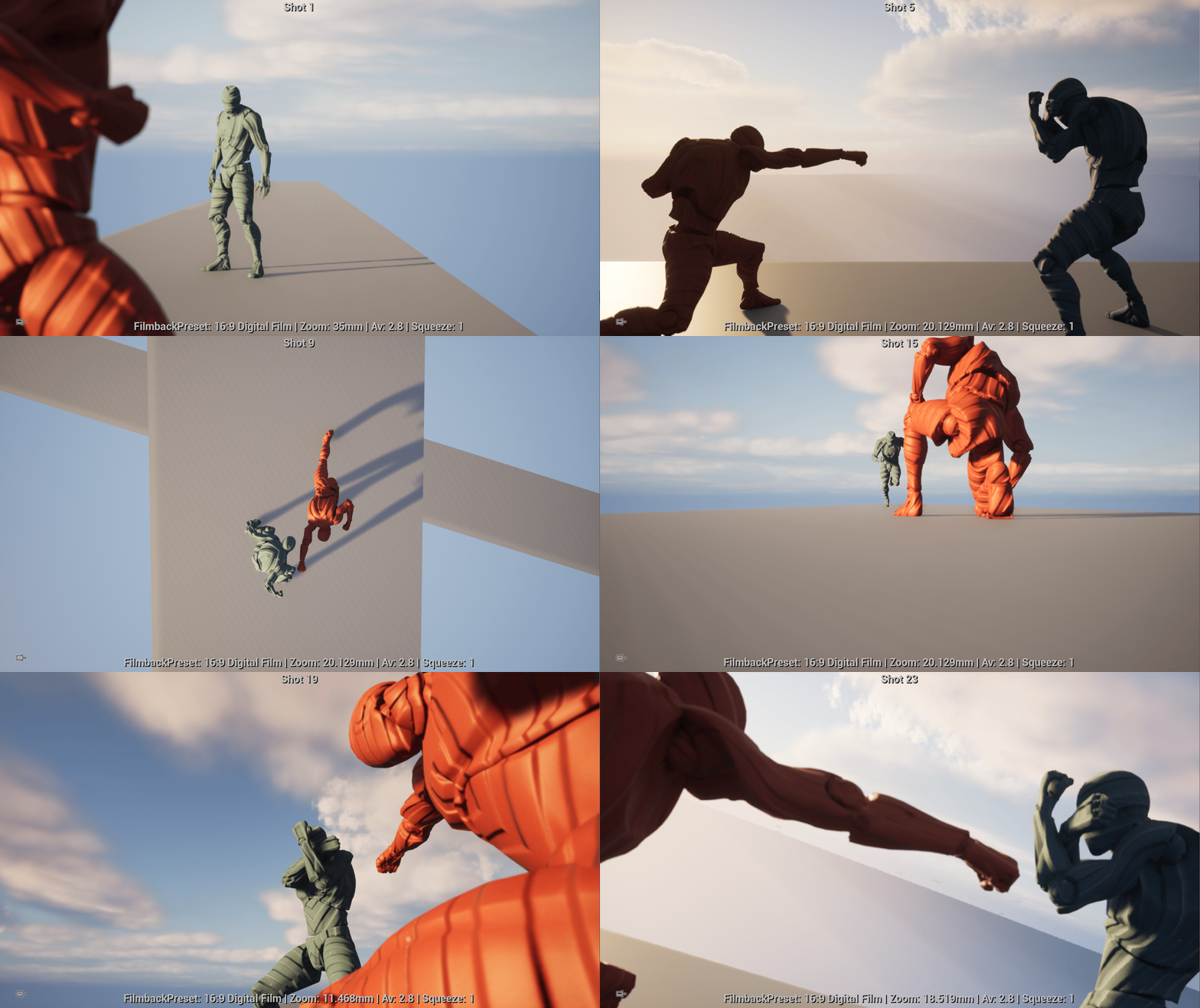
3D Storyboard made in Unreal Engine 5
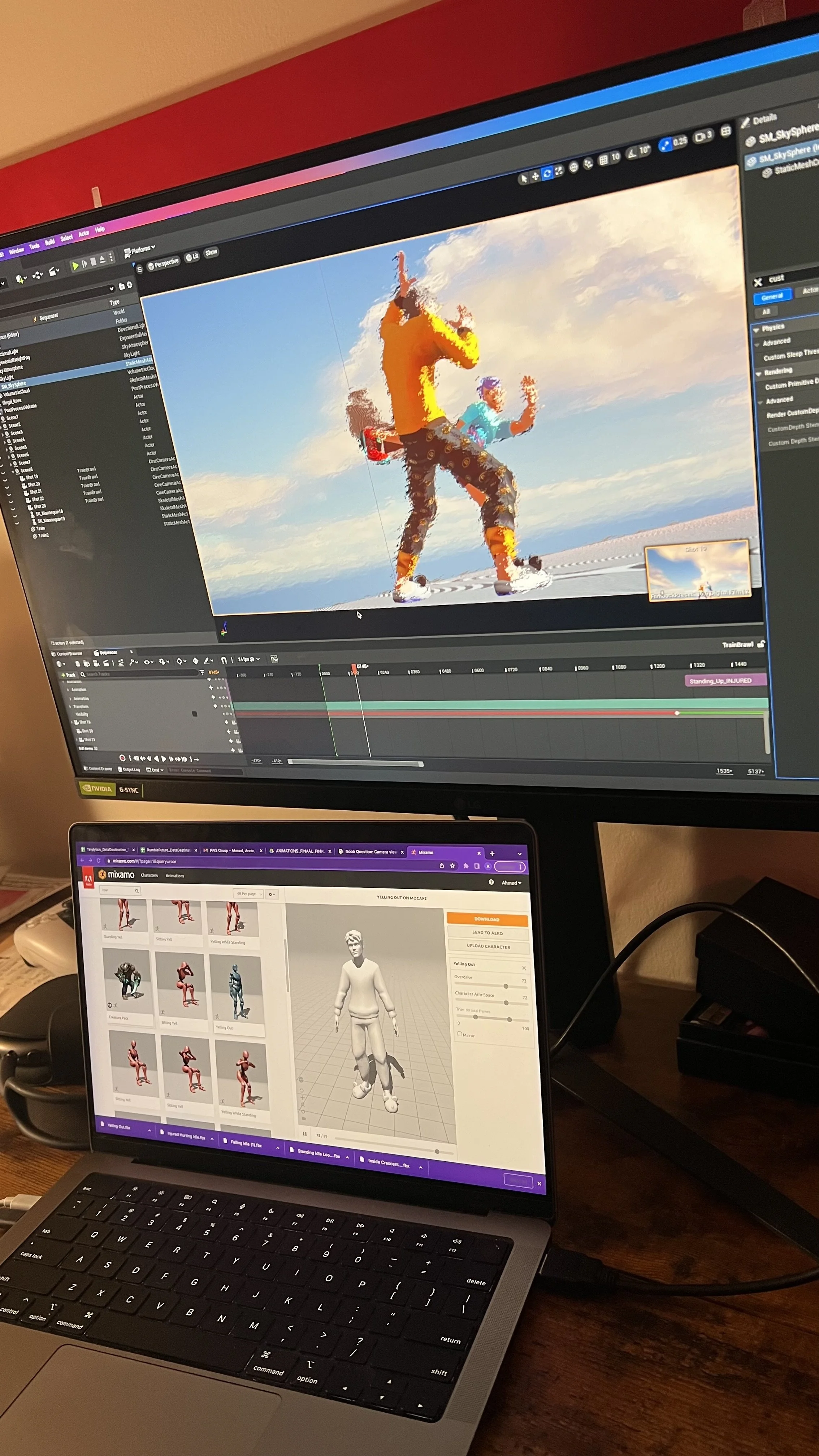
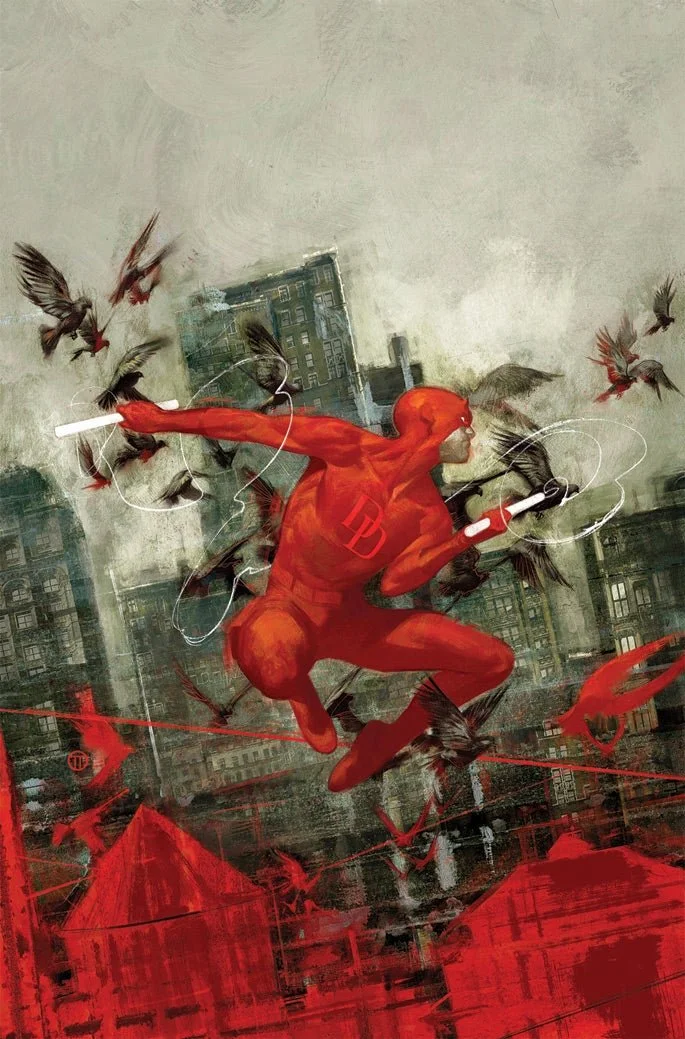
For the choreography, I referenced popular Muay Thai angling techniques to show how the fighters were constantly moving around each other, while also specifically choreographing strong kicks, and punches where fighters would “chase” after the other. I also threw in some moves inspired by classic comic books like Daredevil and Spider-Man where characters would jump behind the other, and have very close-up “action shots” in order to combine the realism of real martial arts with the epicness of popular fight movies like Creed and the Cobra Kai show. I gathered placeholder assets and created a 3D storyboard of the shots in Unreal using placeholder assets of fighters in various poses similar to what I had drafted on paper.
Performing the Mocap
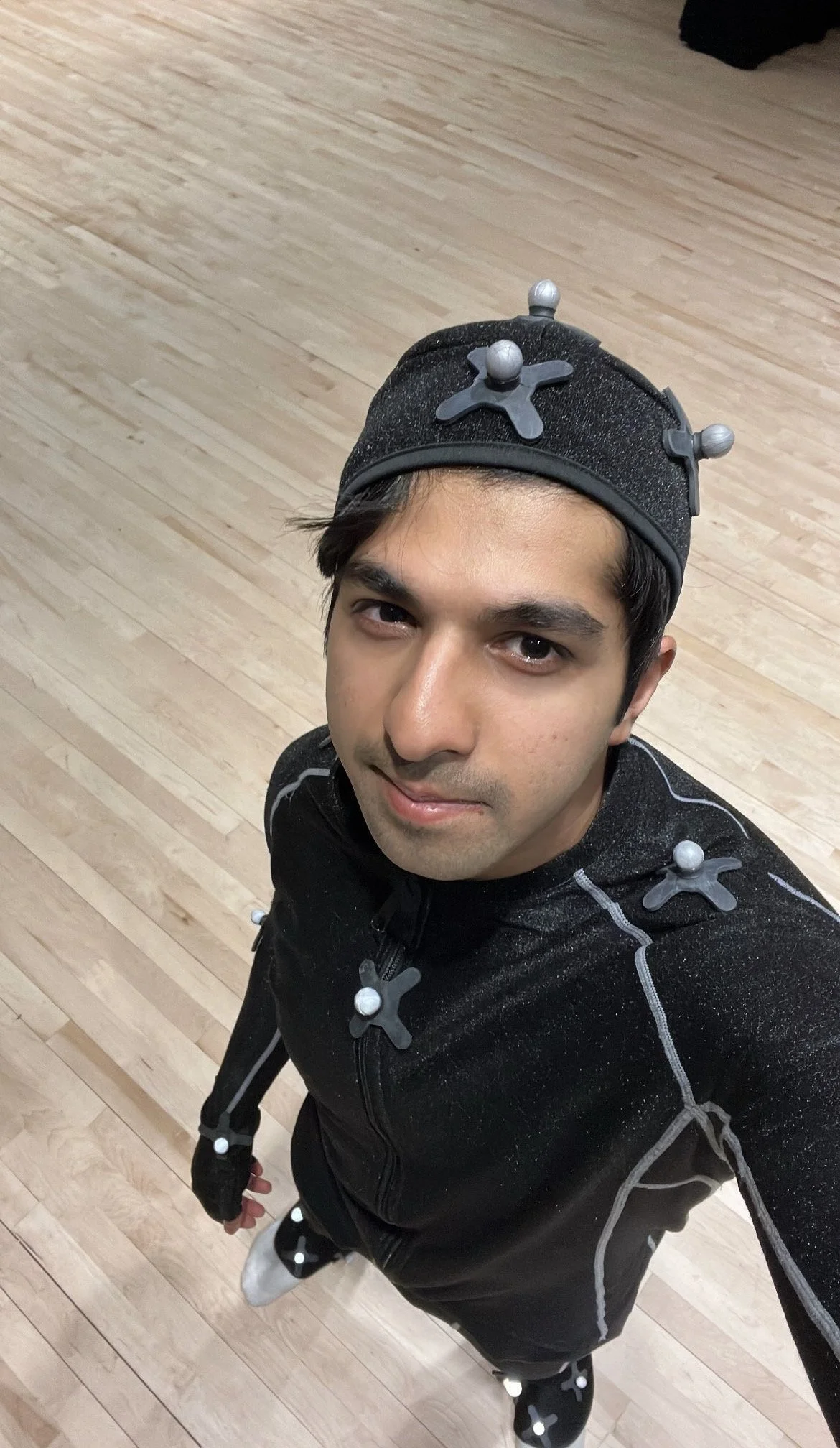
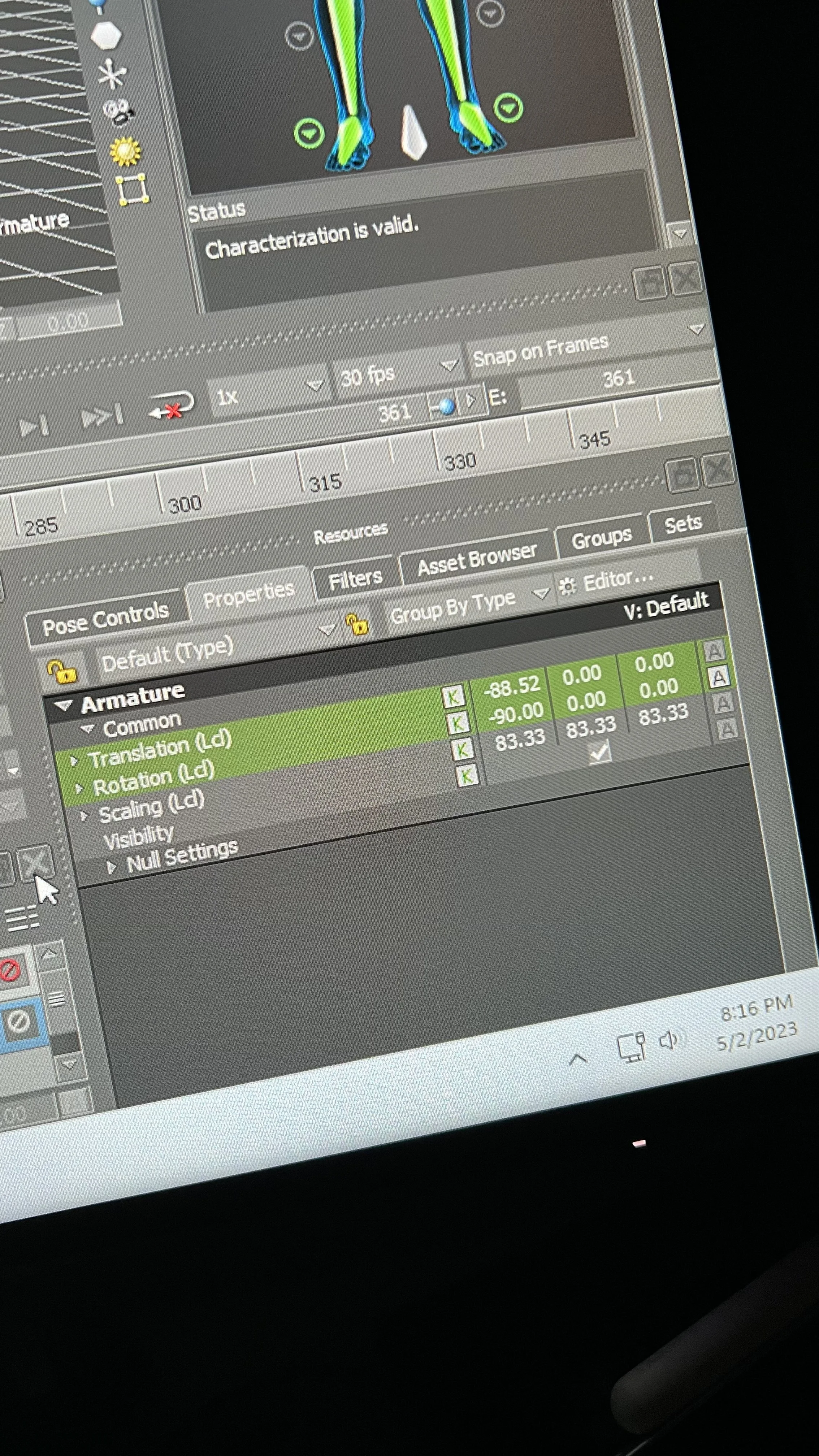
After storyboarding our shots, we knew what we needed from our performances in the studio. We booked the Motion Capture studio at NYU’s 370 Jay Street building, fully equipped with LiDar cameras in each room along with specialized motion capture suits and calibration equipment. With guidance from our professor Marcel Truxillo, we learned how to set up the scene, and prepare the actors. We used the Motion software to record multiple takes of fight moves and moving around the scene. We then uploaded the recordings to Motion Builder, where we cleaned up the animations and retargeted them to our 3D characters. I then spliced together the animations in Unreal according to the storyboard and animated the cameras with behavior that complimented the shots. I then added some finishing touches that responded to the improvised parts of the performance such as additional camera shakes and angling that sold the realism of the movements and the fight. The scene was then ready for viewing!