PITCH: Retrospective: “Scribbler”, my narrative game pitch
The Idea
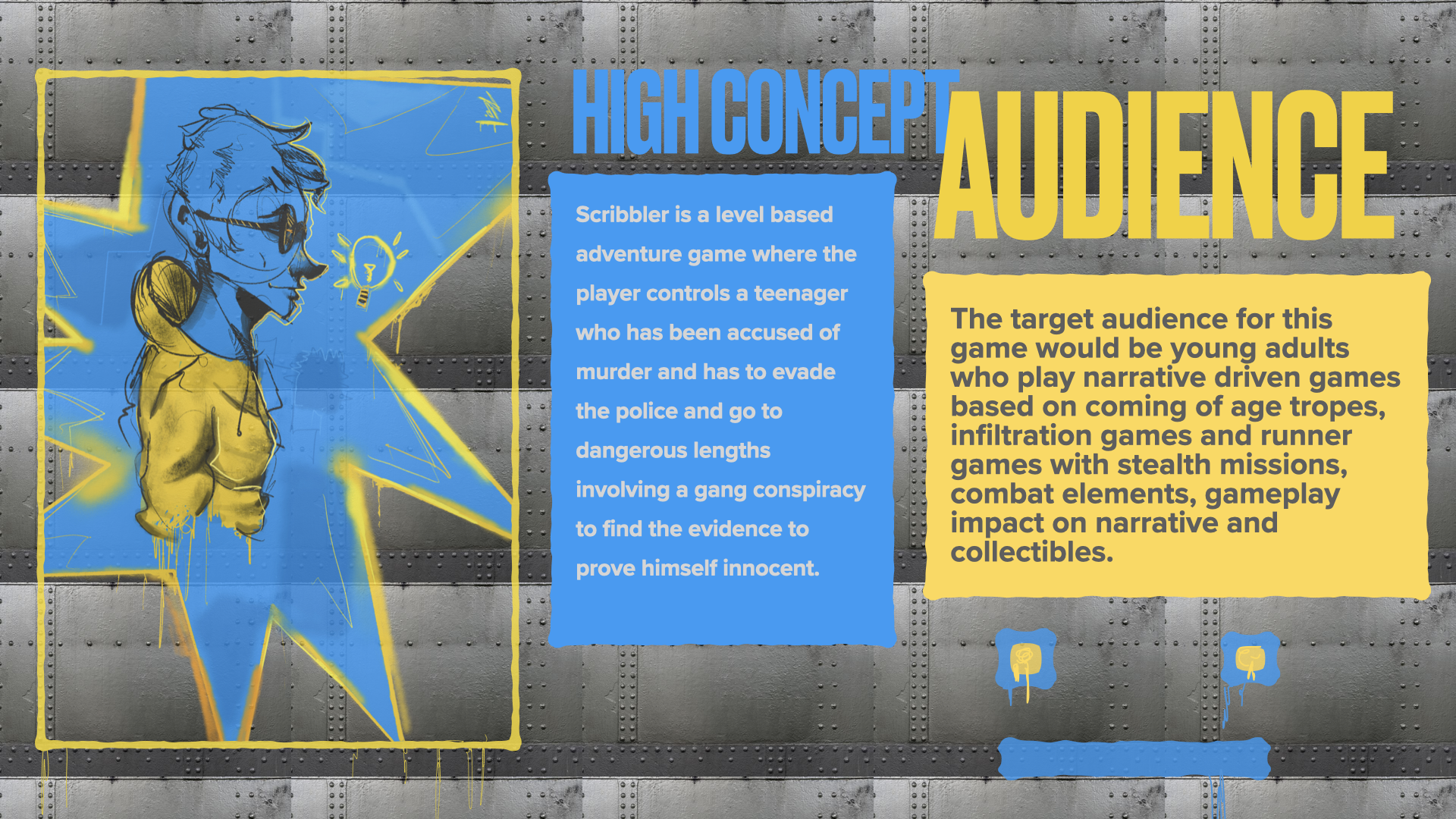
Scribbler is a level based adventure game where the player controls a teenager who has been accused of murder and has to evade the police and go to dangerous lengths involving a gang conspiracy to find the evidence to prove himself innocent. The idea was inspired by crime dramas and coming of age movies, exploring the main theme of identity and who you believe people are, as well as challenging who you look up to as you start to mature.


Gameplay
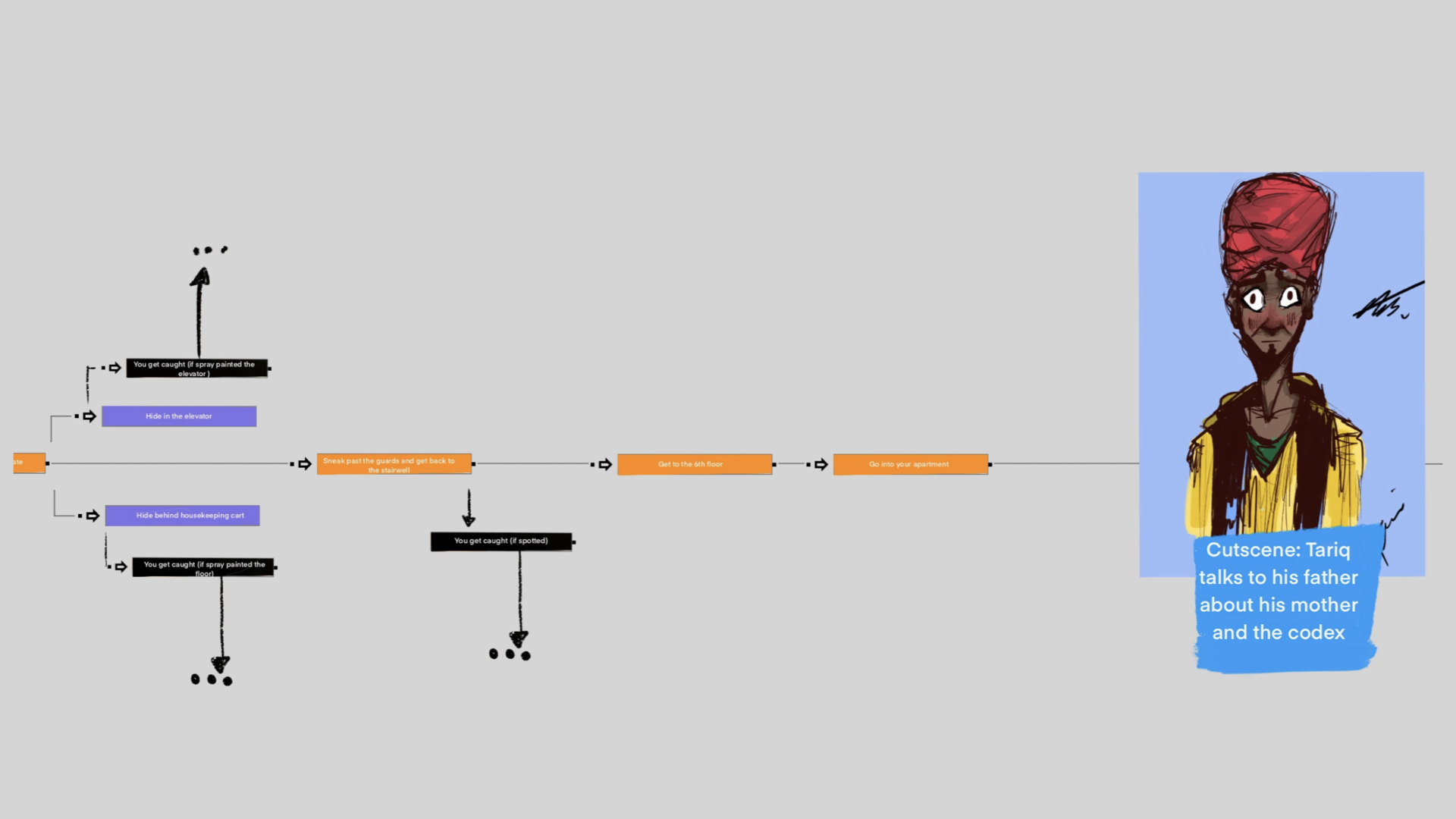
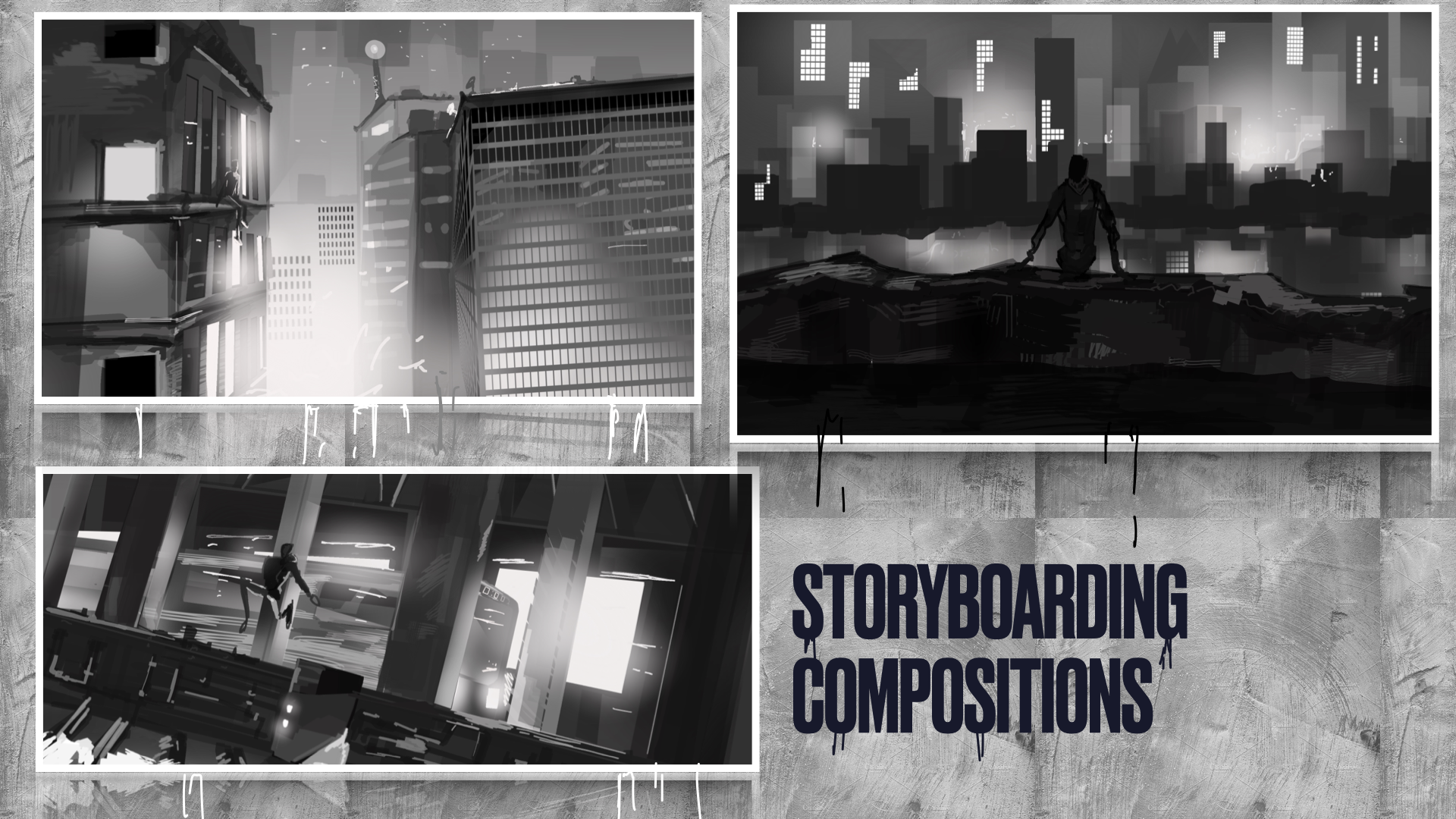
Scribbler is a narrative level based game where the player’s character is placed in 3D environments they can explore. The player cannot traverse to previous levels but can travel back and forth within levels (depending what kind of gameplay the level entails, as the player cannot return to previous areas during chase missions). The player has a “hub” where they can choose what mission or base they want to play from a map, they can change the character’s clothes and they can equip certain weapons and upgrade them. They can choose to infiltrate criminal bases they gain access to as the story continues, they can steal police evidence from police stations to gain optional weapons, or they can play the main missions.
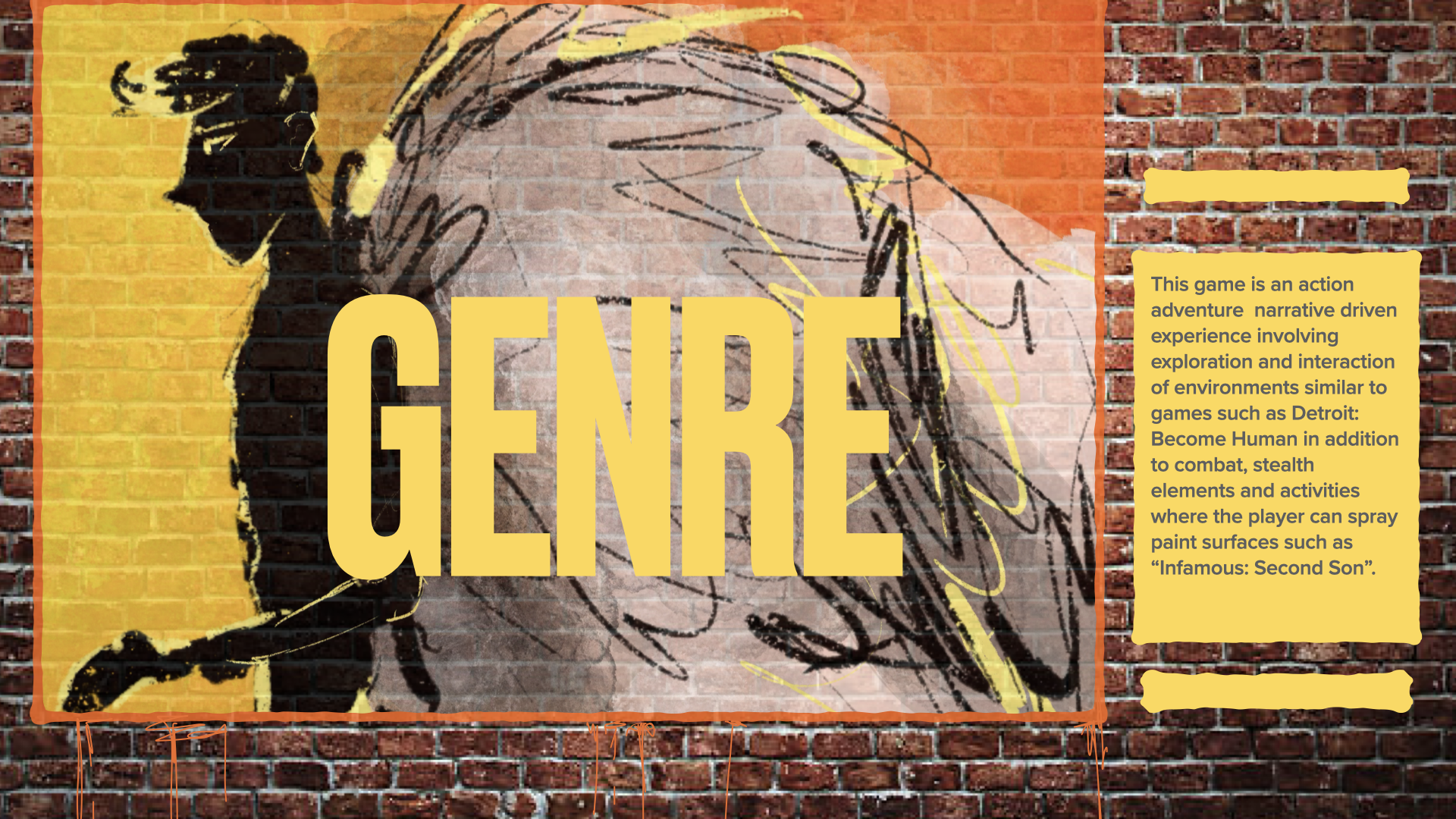
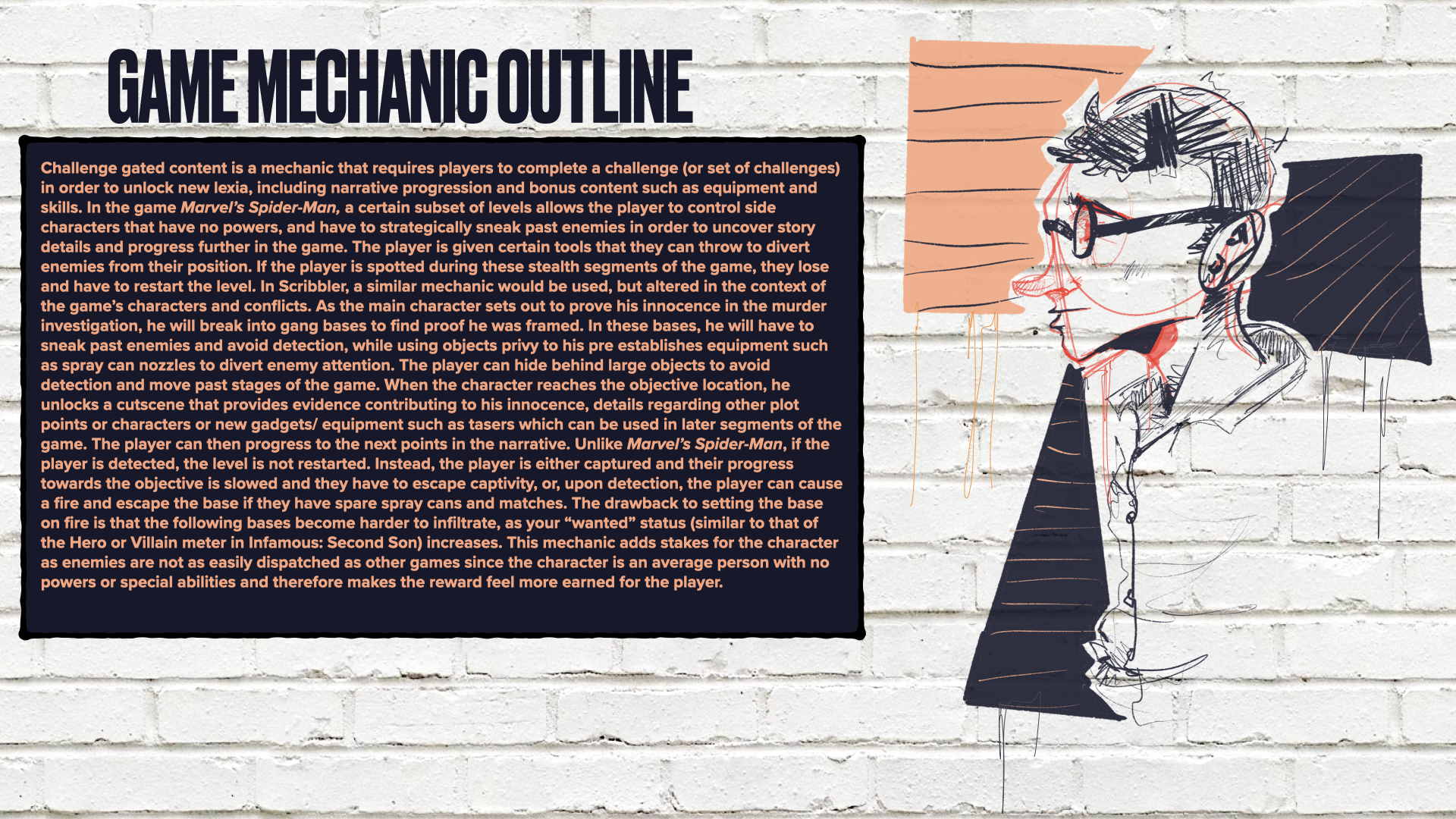
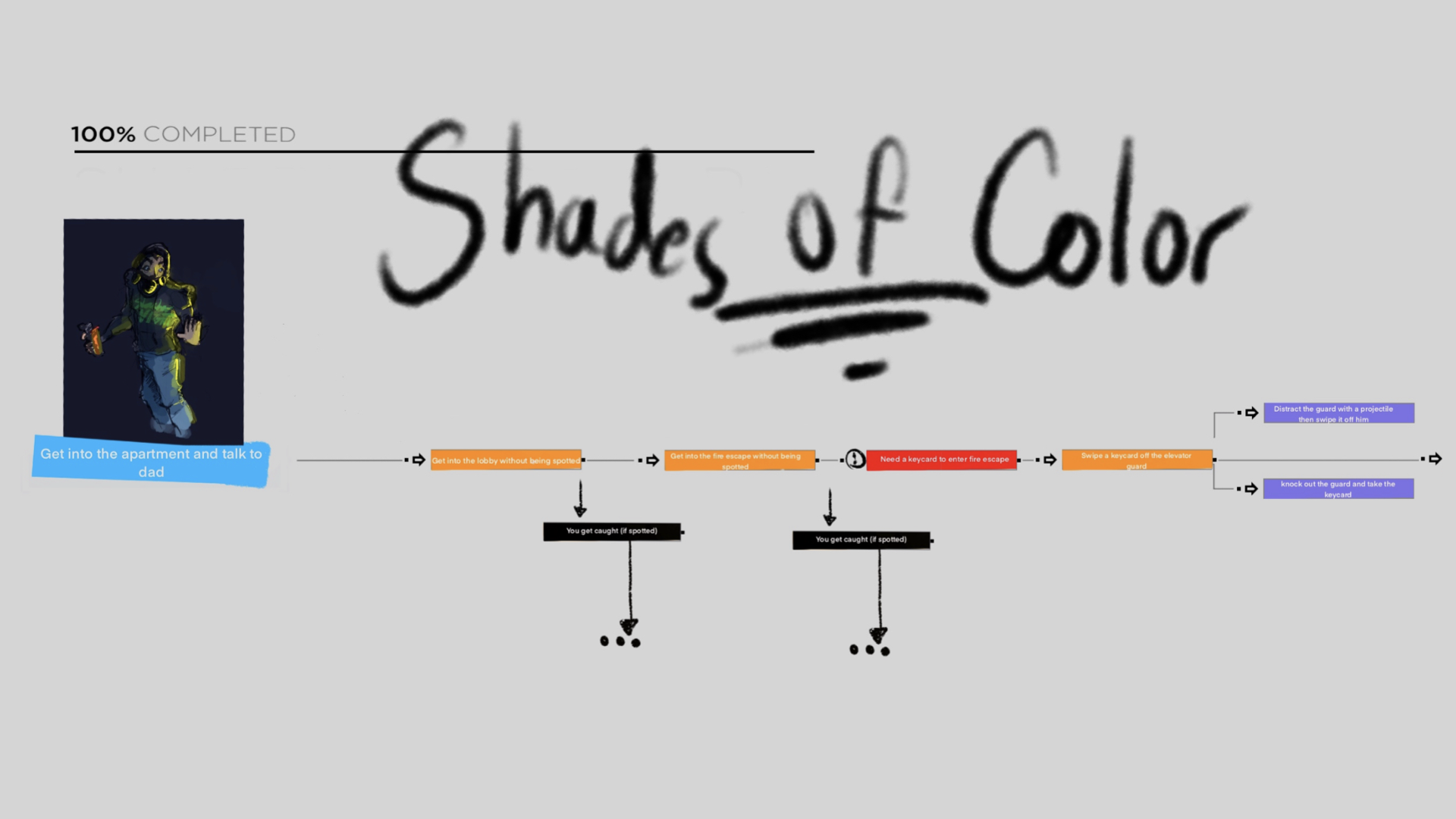
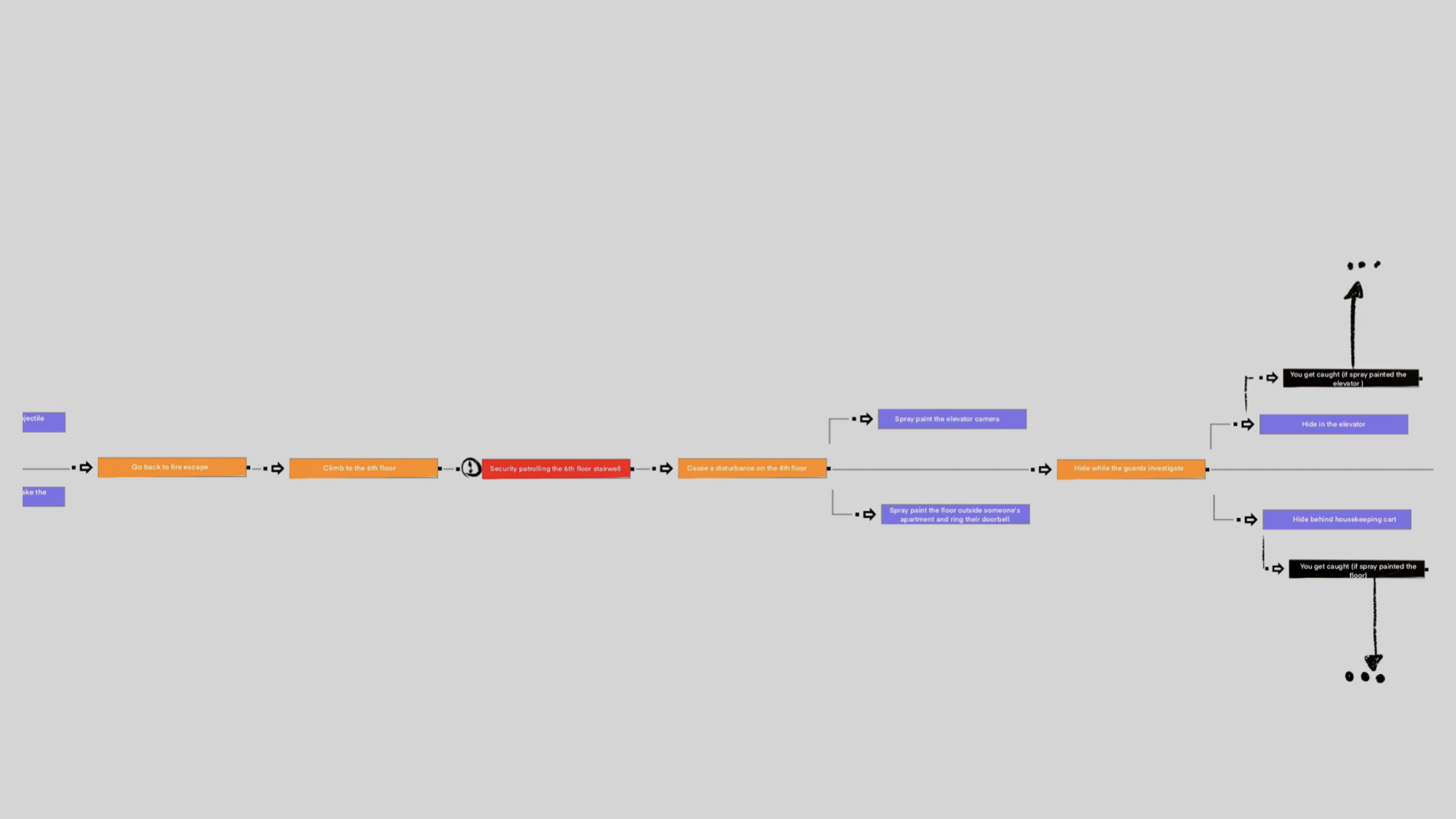
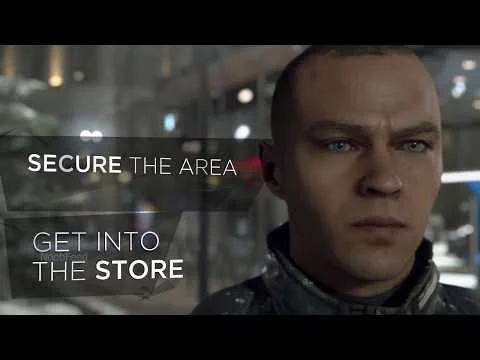
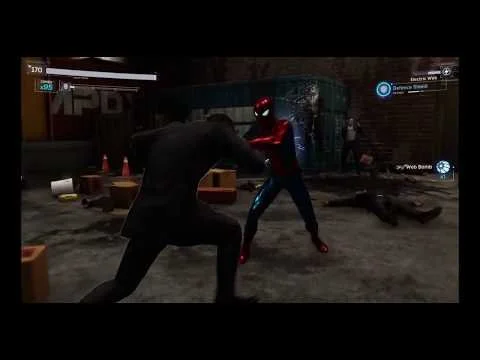
The main three level sets will be: Linear “chase” maps where the player uses quick time events (QTEs) to “run” from enemies, and whichever route the player chooses contributes to their likelihood of success in escaping, akin to when characters are placed in similar events in the game Detroit: Become Human. The second map type would be “base infiltrations” where the player has to “sneak” through the map without being noticed by enemies in order to complete their objective, similar to the playable side character levels in “Marvel’s Spider-Man”.
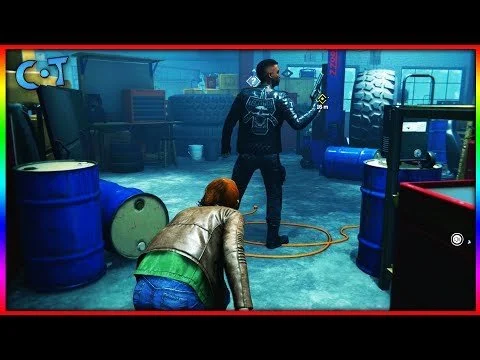

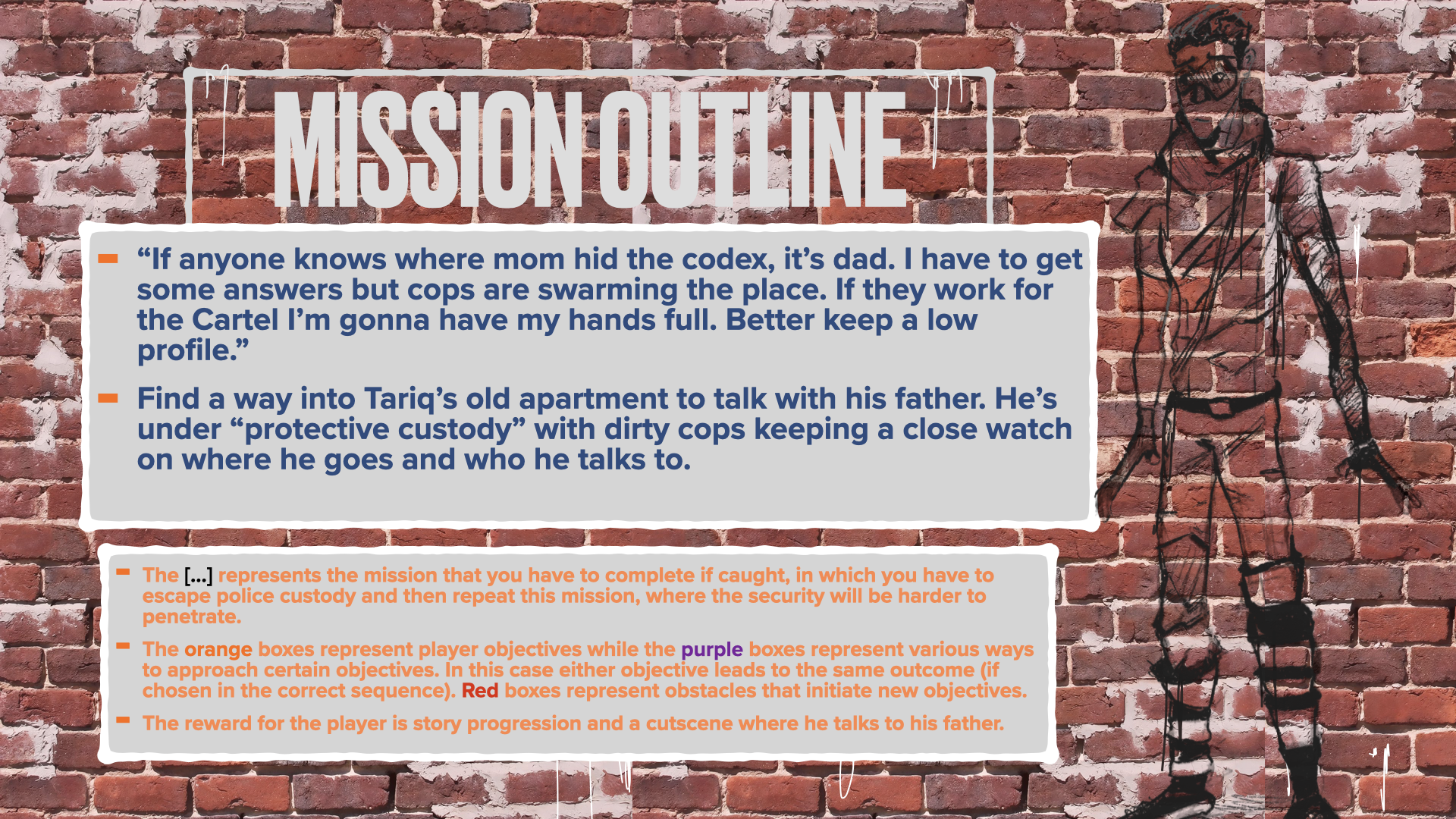
The map type would be “escape rooms” where the player would have to find a way to escape their confines (this map only becomes available if caught by enemies in the above two maps), similar to the prison level in Jedi: Fallen Order. The character also has a limited number of spray cans which they can use offensively by attaching a flare to it and using it as a grenade. This gives them better opportunities to escape during chases and infiltrations, but depletes as you use them. The player can find more spray cans scattered throughout the various levels of the game. The player can steal spray cans of various items from police station evidence lockers such as knockout gas and tasers that they can use to knock out individual enemies.
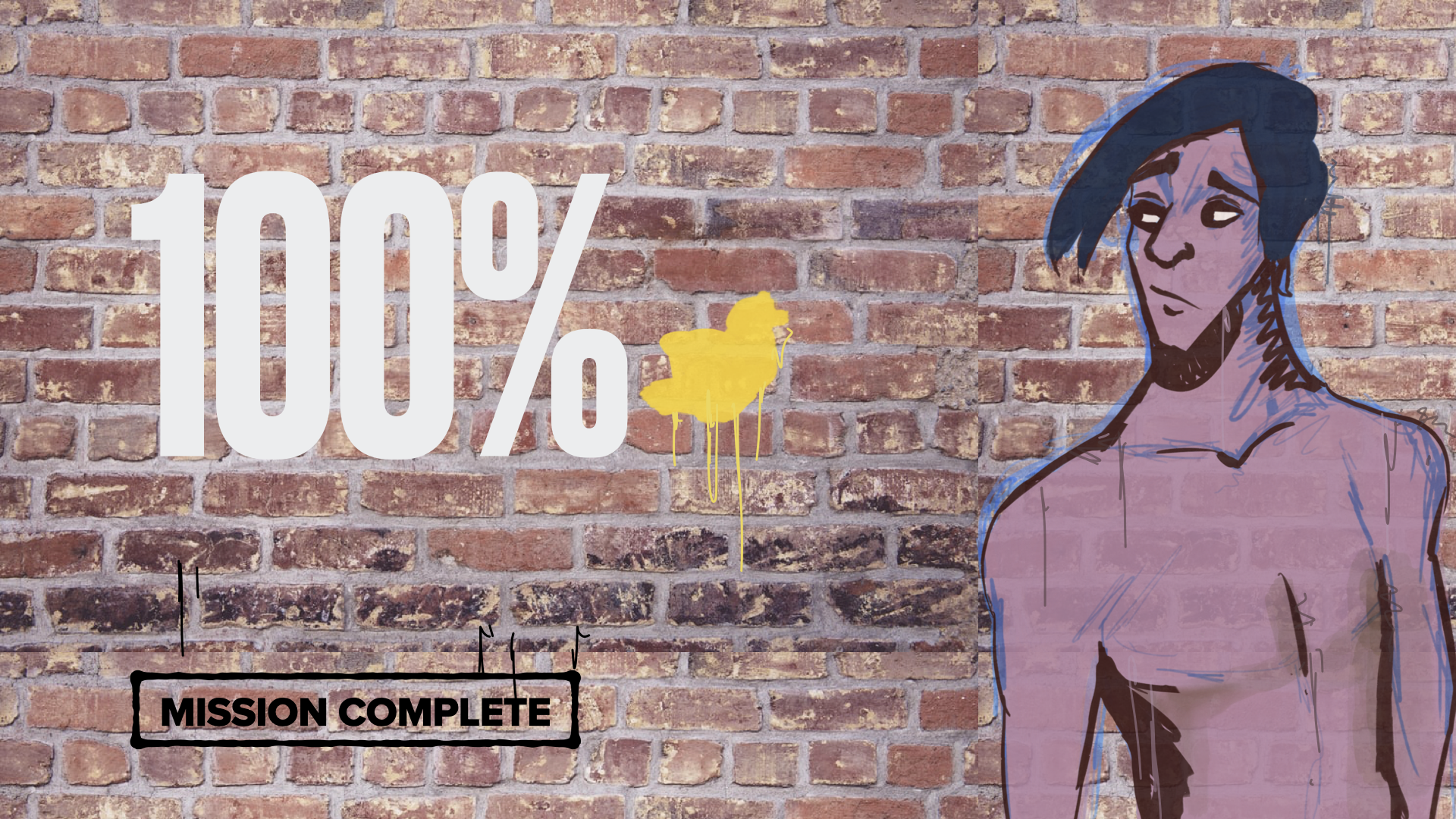
The player’s actions have an impact on their game progress and story. If they get caught or captured, their evidence that proves the character innocent may be lost, so if the character loses evidence too many times throughout the story, the ending of the game will conclude with them in jail. The character can also choose to burn down enemy bases to avoid capture but this results in the following bases having much tougher enemies. Lastly, the players can “leave their mark” or graffiti in enemy bases to earn extra skill points. This mechanic would be similar to “Infamous: Second Son”, but instead the character would have to do it without being seen.

Gameplay Integration
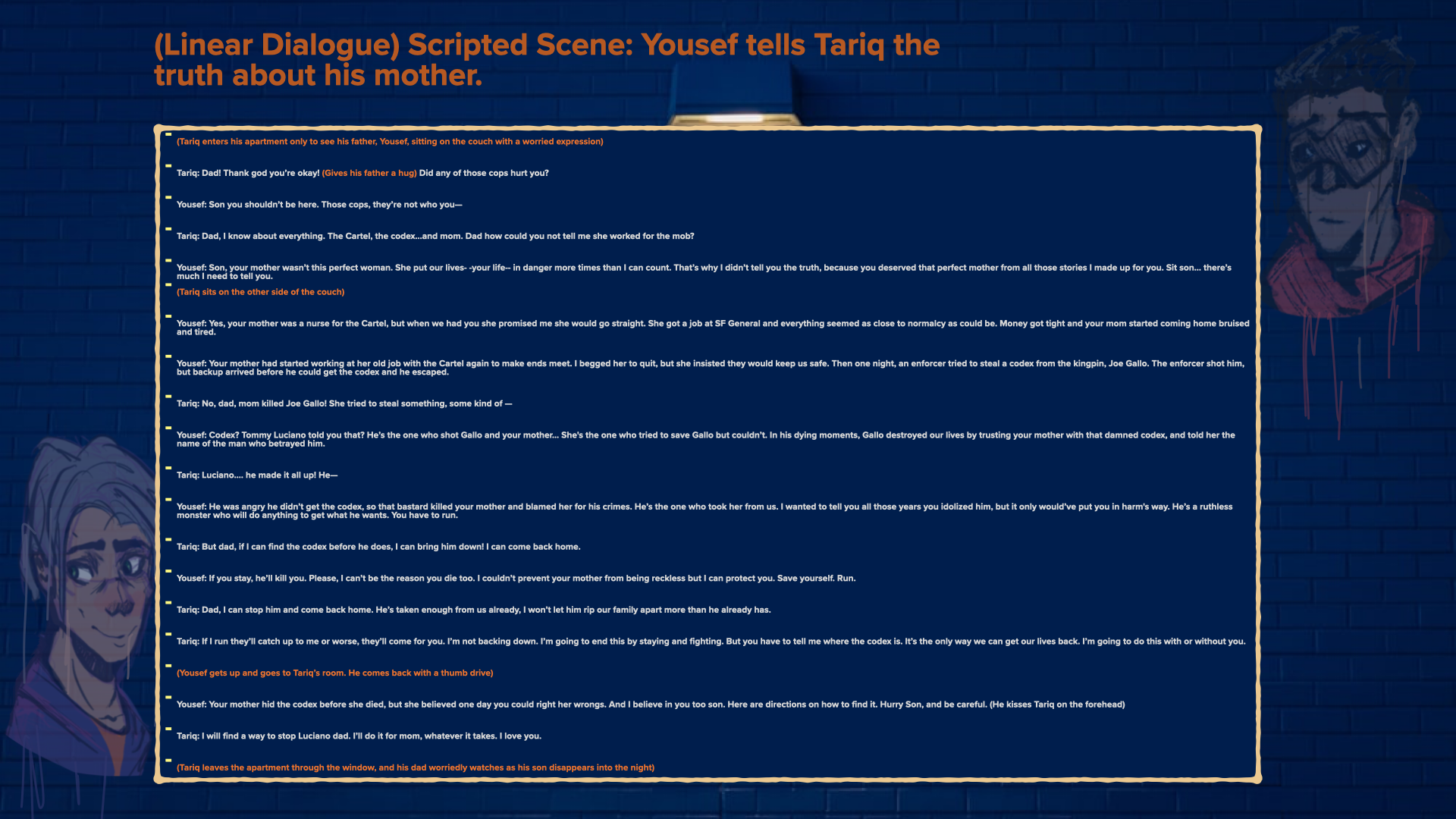
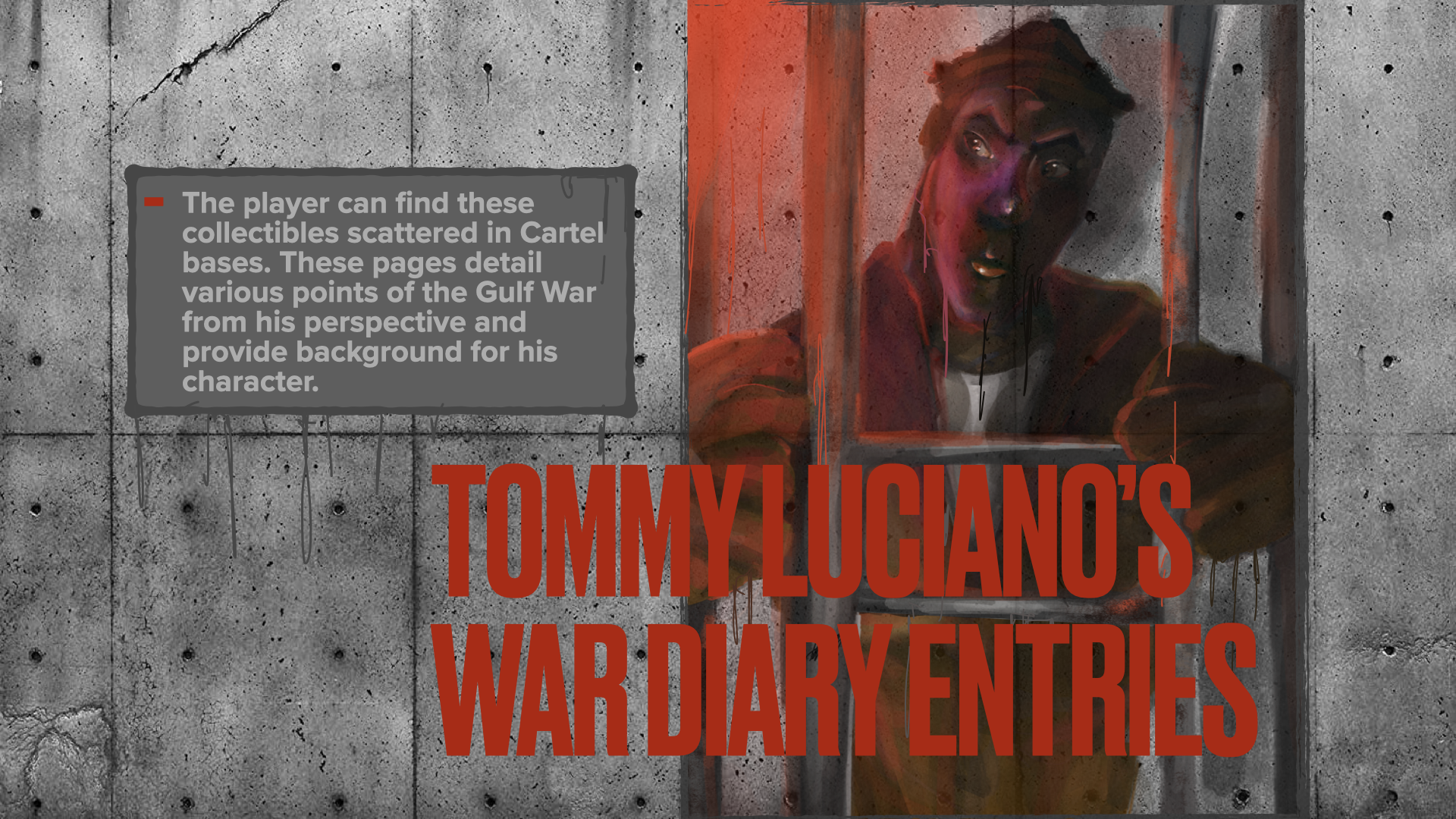
The settings of the game will directly tie into the story. Most of the levels take place in enemy territories such as the Montana Cartel’s crime bases and police stations, both of which involve objectives revolving around stealing evidence that proves the main character innocent and connecting those objectives to one of the main conflicts in the story. The ability to steal weapons from police stations also tie the police closer to the story. Enemies directly tie into the main plot and new enemies are introduced as the plot progresses and reveals new sets of characters. The game may start off with solely the police as enemies, but then start to include gang based enemies as the player plays through the story. Character dialogue during gameplay directly references events that have recently occurred in the game such as previous levels or missions and the overarching conflict. The ability to spray paint walls in certain sections of the game as well as using spray cans as weapons uses one of the main character traits of Tariq to immerse the player and make them feel like they’re an artist, especially an artist who is on the run and has to be crafty in order to survive. Cinematic sequences and cutscenes will be vital in revealing important story points as the player progresses through the game with some cinematics invoking QTEs in order to make the player feel more in control of the character’s actions while also giving the developer most of the creative direction of the scene. The player’s hub is the garage the character stumbles upon early in the game, making it directly part of the story, especially when it is infiltrated by enemies later in the game. The hub also allows players to choose what mission to play in the form of a crumpled map, the player chooses what clothes to wear in the form of an old closet and they modify their weapons at a small work table. All of these elements contribute to the scrappy aesthetic of the character.