DEV LOG: Fire Raiders: Jetpacks are Cooler than Jumping
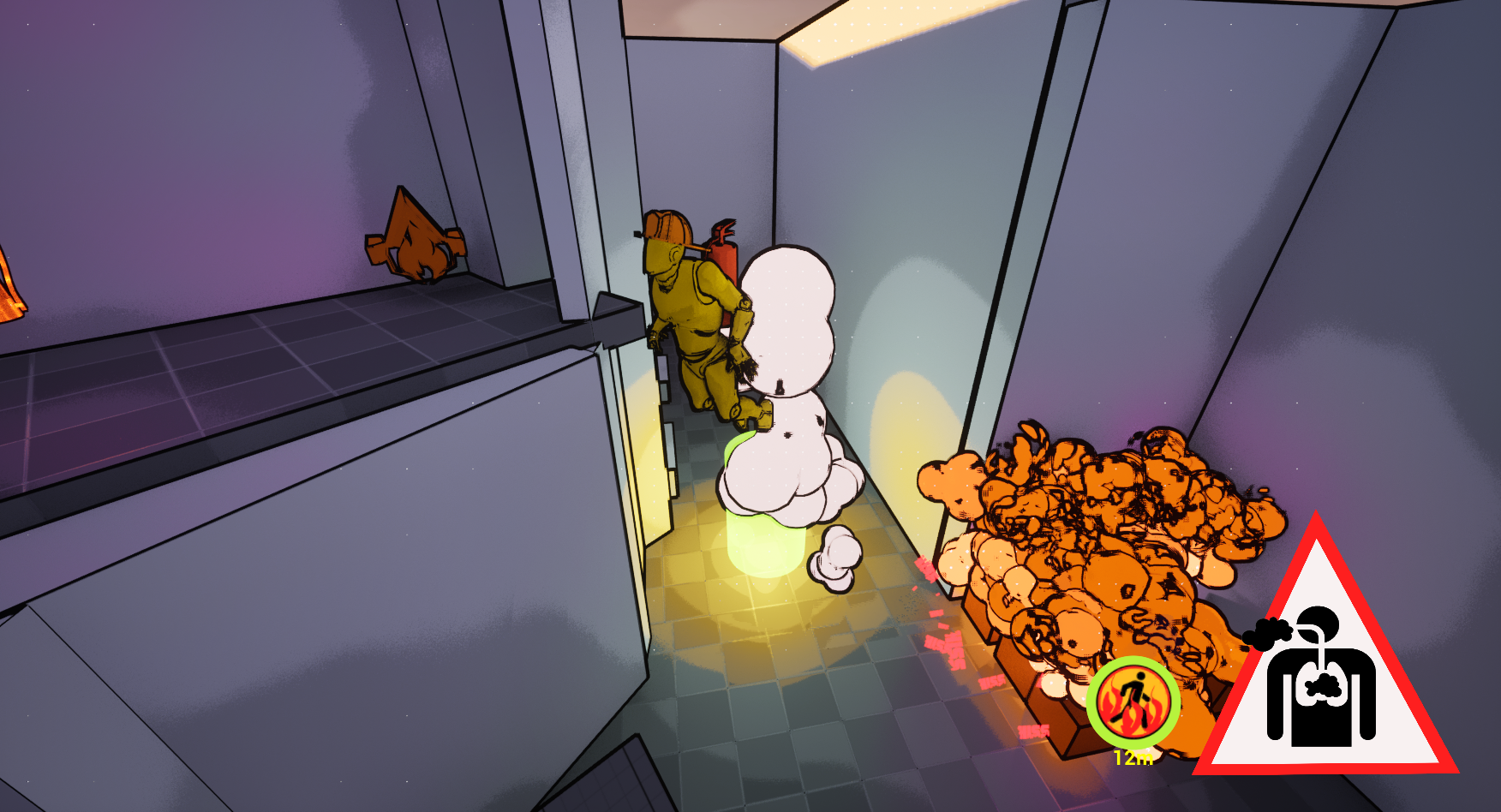
It’s been 2 months since I showed Fire Raiders at the NYU Winter Games Showcase 2024 and submitted the build as my final assignment for Action Games Studio! I recently got into a program called the International Students Arts Incubator at NYU, where selected students are given the opportunity to receive funding to make a creative project with guidance on how to navigate the O-1 visa process post-graduation. For my creative project, I decided to expand on Fire Raiders, working to add new narrative, gameplay mechanics, and levels!

Playtest Feedback on the Charge Jump
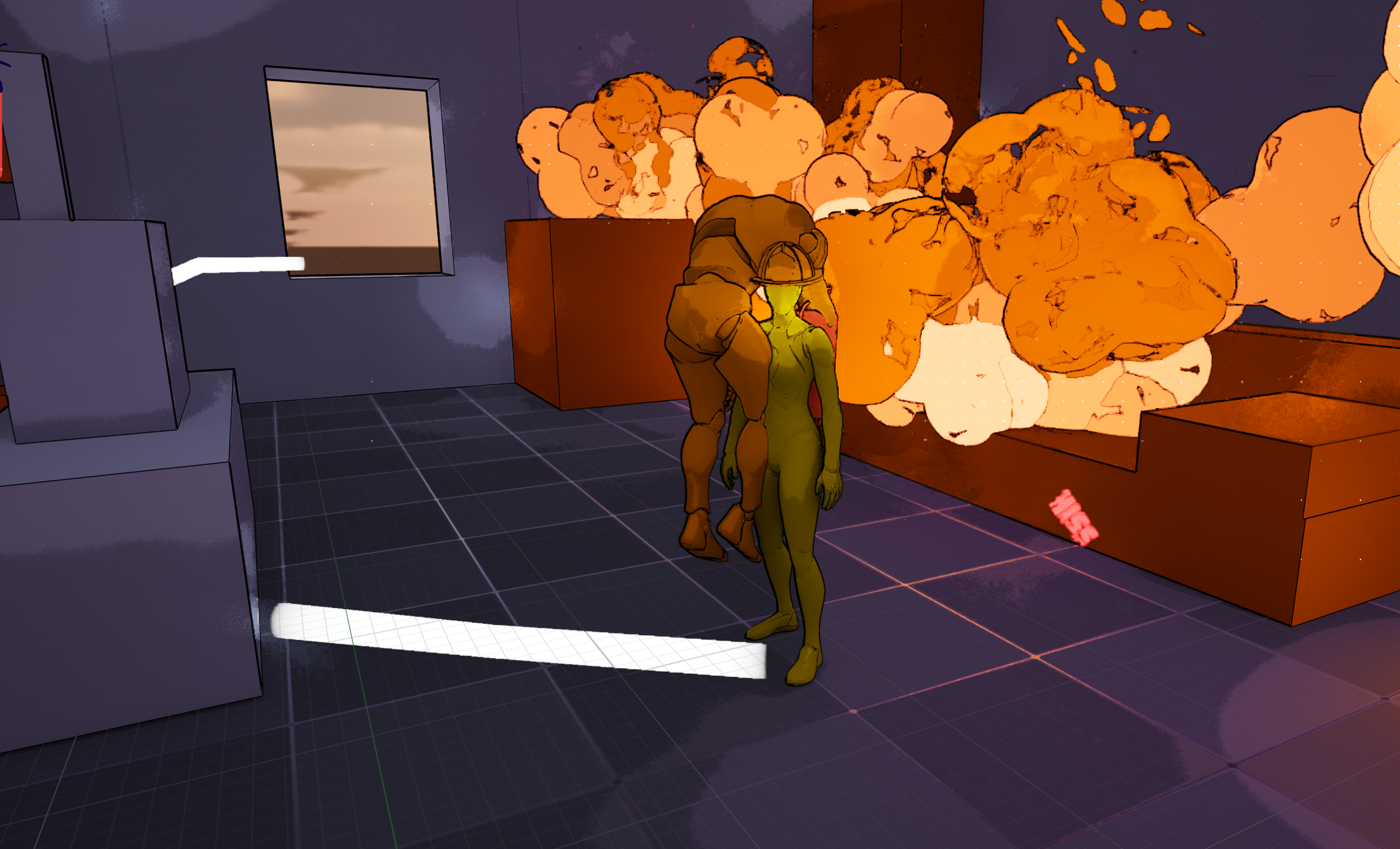
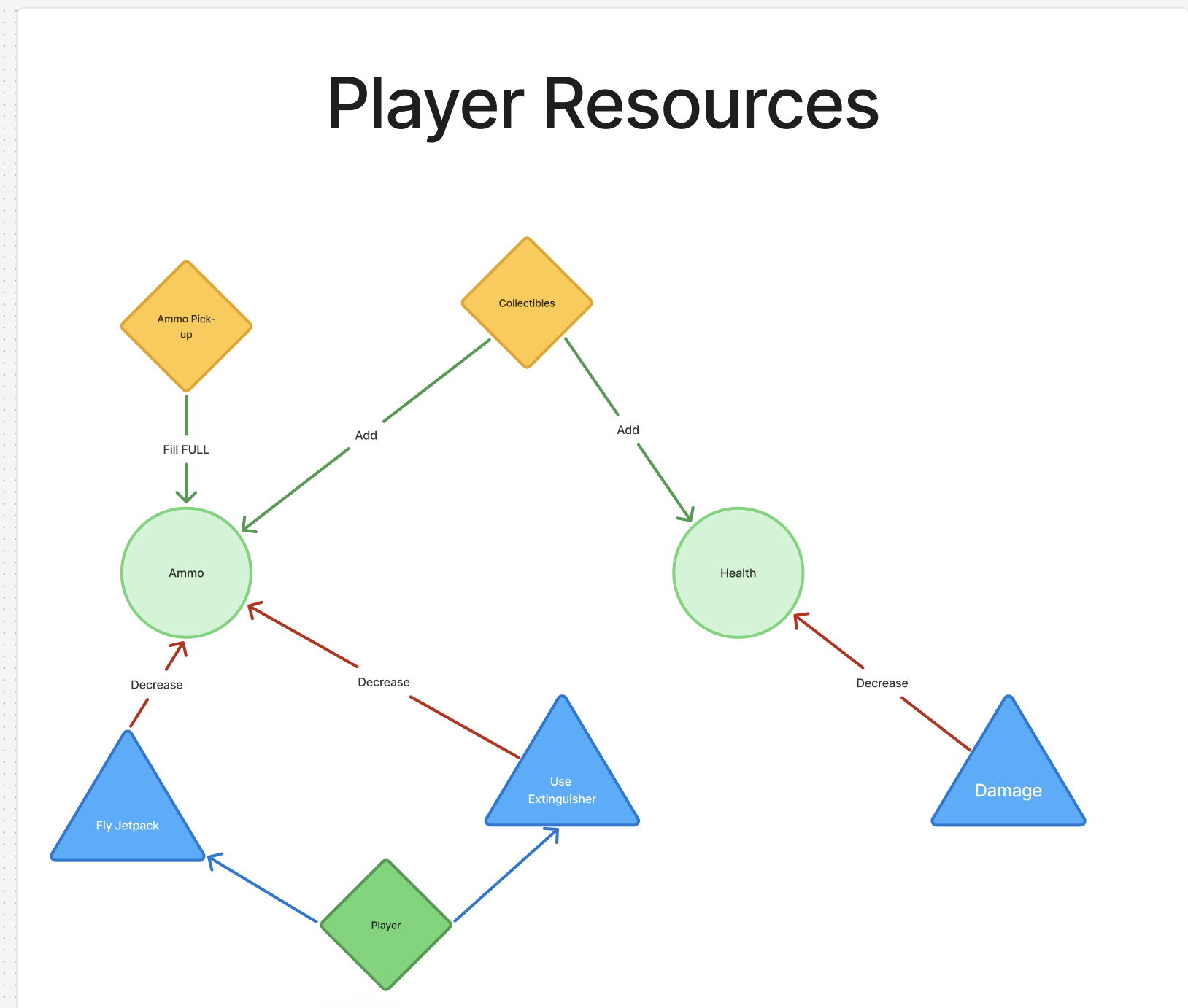
When I first showcased Fire Raiders, I got a lot of feedback that the movement system didn’t feel very responsive and that people wished their extinguisher had more of a relationship to the movement itself. I wanted the gameplay to emphasize the hero fantasy, but people felt a bit sluggish. I started playing around with the idea of a jet pack, inspired by jetpack joyride, where the player could hold down a button to fly and was able to double jump as well, giving them more freedom in their options for how to approach the levels. I also started drafting a new system, where the players' extinguisher meter was also used by the jetpack, emphasizing strategy and elements of resource management! Things were starting to shape up…
Preparing for Lift-Off!
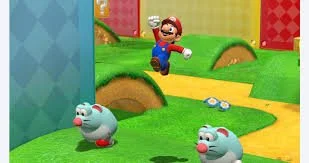
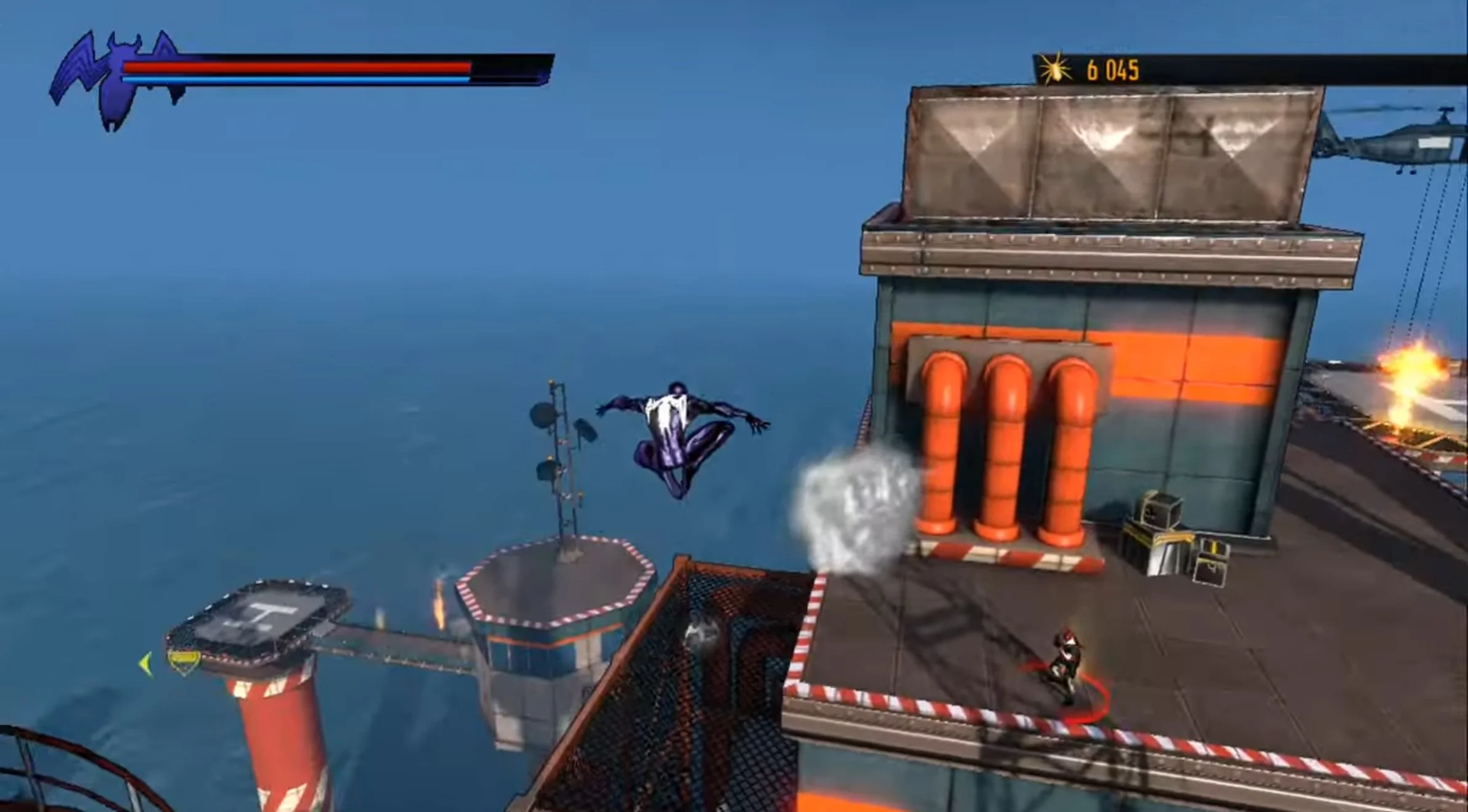
I started by prototyping the flying on a default Unreal character, adding in placeholder animations from a “Ghost Hovering” animation pack I got off the Fab store. I then made a system that got the player to fly, however in playtests, people felt like they didn’t have much control of their character when they were jumping/falling, still mentioning that “sluggish” feeling. I started studying jumps in games that felt really good, specifically the Spider-Man and Mario games. I tuned the jumping so that the player could jump pretty high but got pulled down by extra gravity after reaching their highest velocity. I also tuned the air control variables so the player could very freely move and change directions on a whim, emphasizing the improvisational strategy I wanted players to do in the game. This worked well and players really liked the movement, even to the point that they would spend extra time jumping and flying before progressing!
Tying in the movement to the broader systems
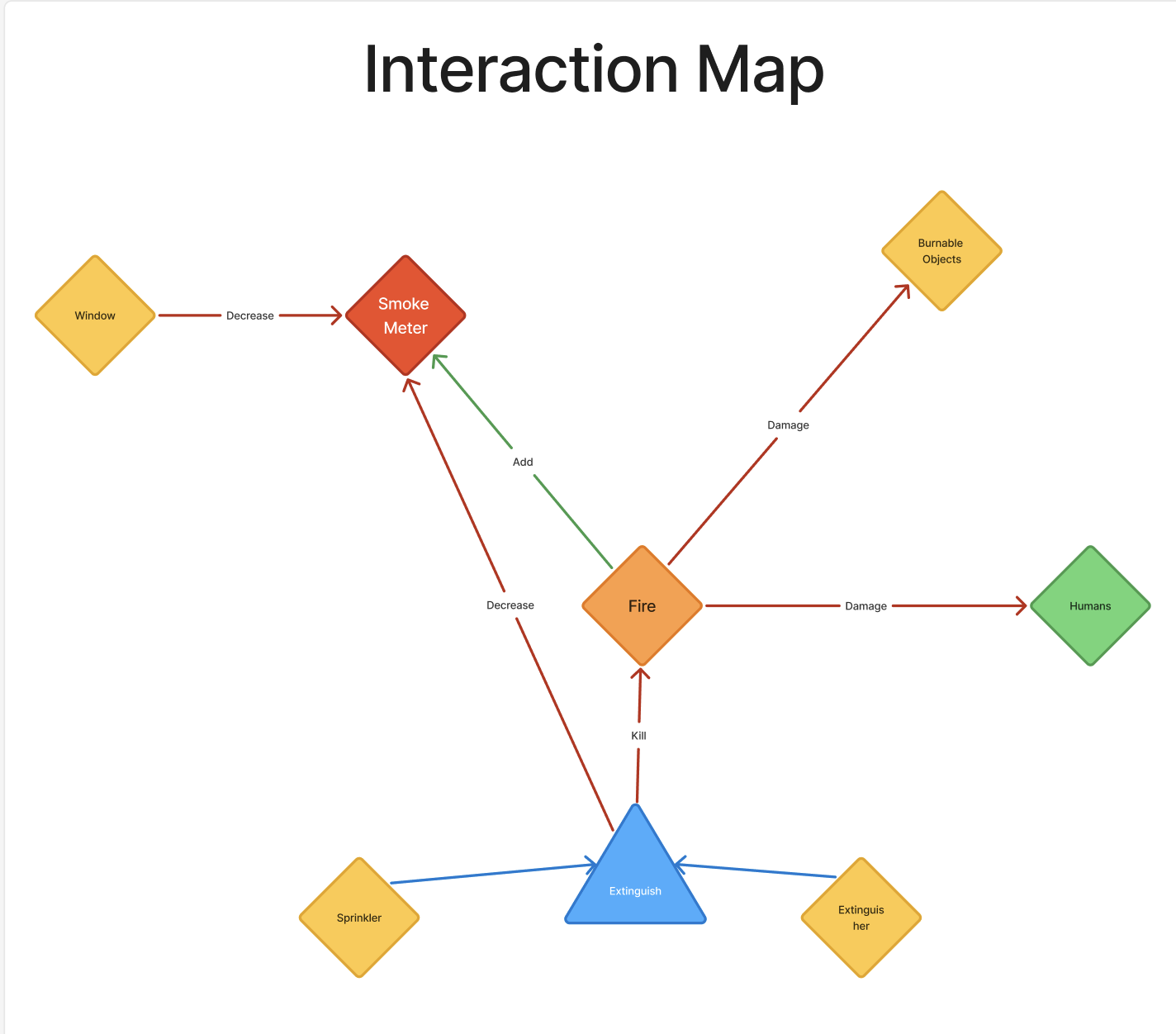
Once the movement felt good to players it was time to start experimenting with how to integrate it to the extinguisher system. I implemented a way for the “extinguisher fuel” to drain with flight, and played around with how it would regenerate over time, so the player was never stuck in a situation where they had no resources. During playtests, the results were really interesting, because some players would use the extinguisher to put out all the fires before saving people, making sure they had the hazards accounted for, and other players would jump headfirst into danger, saving civilians using their jump and jetpack. They were improvising and playing differently depending on their personality, all given the same resources! While players were enjoying the movement and mechanics of the game, in harder levels players struggled figuring out why they were losing levels and how to get better at the game…
Adding a Lose Screen
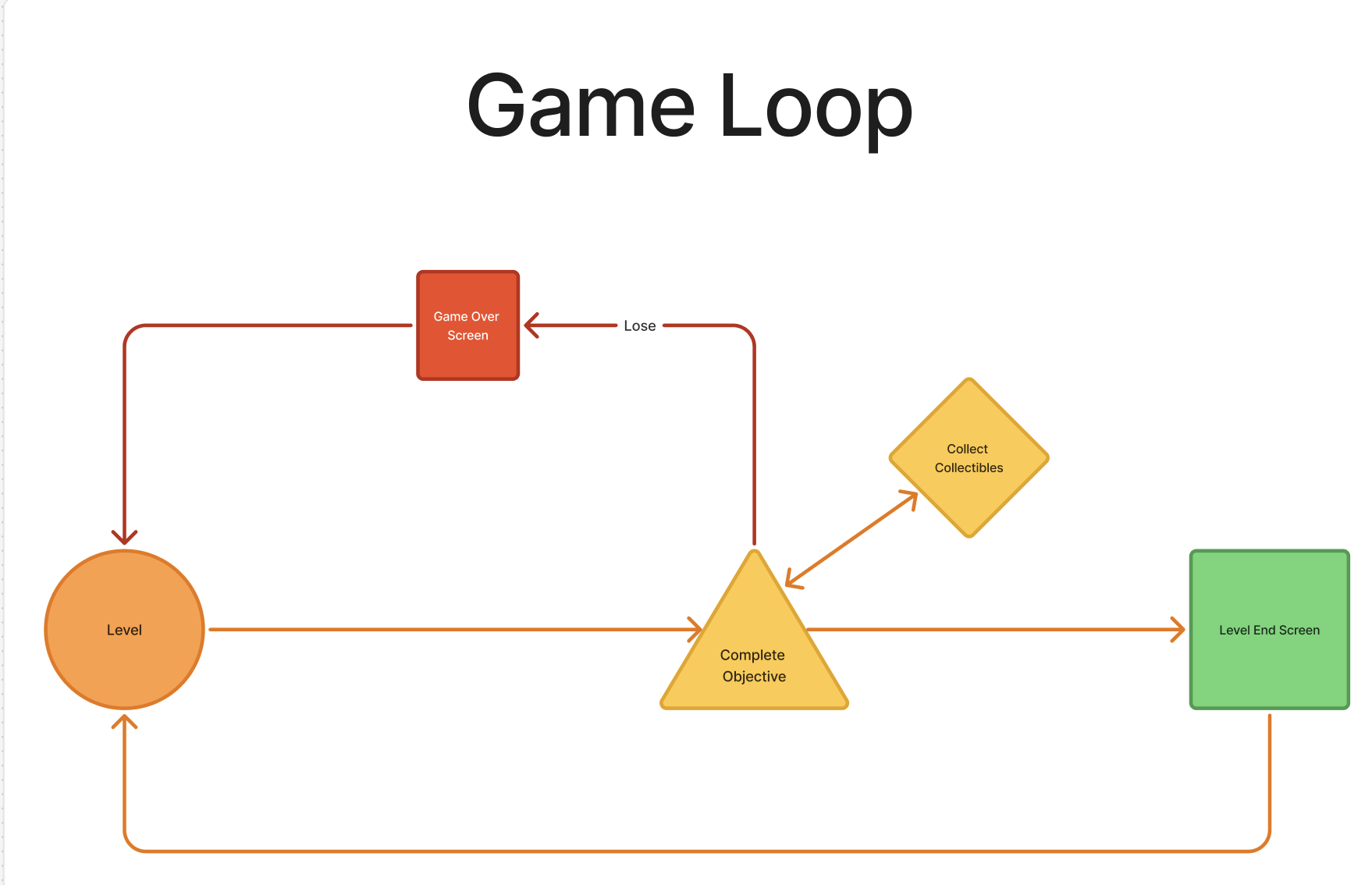
Because of the way the game was built, with so many conditions that could cause the player to die, players would lose and not realize what mistake they had made. On paper, I started drafting the Win/Lose conditions of the game as a refresher, and created a lose screen that had the “Reason” the player lost the game to help them improve when they tried the level again. In playtests, this helped tremendously, as players who were having fun would lose, but persistently try again because they knew why they lost, helping make a complex system less overwhelming!